Jan 16 / Risk Tide

🌊Preparing Your Risk Program for 2026

A new year tends to bring a fresh look at how risk programs actually operate and where a few smart changes could make a big difference in 2026.
 
In this edition of The Current, we’re digging into what risk teams are focused on right now. As you plan for 2026, it’s a good time to ask: what’s truly helping you manage risk and what’s just keeping you busy?
 
Let’s dive in.🌊
 
Quick Note: Risk Tide shares educational insights and our take on regulatory changes, this is not legal or compliance advice. Every organization is different, so always check with your legal or compliance teams. Think of us as your "practical" TPRM guide, not your lawyers.

New Year, New Playlist
 
Fair warning: this newsletter pairs best with our office playlist. Press play, then dive in.

Preparing Your Risk Program for 2026
Less noise. Better leverage.
As 2026 approaches, the strongest risk programs are not chasing trends or tearing everything down to start over. They are getting clearer about where effort actually creates value, where complexity quietly introduces risk, and where long-standing habits deserve to be retired with appreciation and no ceremony.

Using Technology to Remove Work, Not Invent New Work 

Technology should do more than turn paper into pixels. It should question why the work exists at all.

  • What changed: Teams are using automation and integrations to cut manual work and surface risk earlier, not just digitize old processes.
  • What didn’t change: Tools don’t fix bad workflows. Too many teams are still juggling overlapping systems and spreadsheets named “final_final_v7.”
  • What it means: Real value comes when technology simplifies the program instead of adding another layer to manage.
  • Translation: The goal isn’t more dashboards. It’s less work.
Vendor Consolidation, Without Creating a Fragile Ecosystem 

Vendor consolidation can simplify oversight and reduce cost, but it’s not risk-free.

  • What changed: Organizations are streamlining vendor portfolios to cut complexity, strengthen governance, and make TPRM more manageable.
  • What didn’t change: Fewer vendors can mean higher concentration risk, especially when everyone relies on the same cloud, data, and critical service providers.
  • What it means: Efficiency gains only work if resilience keeps pace. Regulators are watching how organizations manage growing dependency.
  • Translation: Simpler doesn’t always mean safer.
Due Diligence That Reflects How Risk Actually Moves 

Annual assessments still matter, but they’ve never told the whole story.

  • What changed: Programs are continuing to progress toward risk based assessments in terms of the level of exposure and whats actually happening during monitoring to ensure better visibility into what’s changed between cycles.
  • What didn’t change: Risk doesn’t wait for renewal season, and point-in-time reviews will always have blind spots.
  • What it means: The goal is fewer surprises and faster focus when risk starts to shift.
  • Translation: Meaningful assessments on what matters.
Designing a Program That Holds Up Under Pressure 

Preparing for 2026 isn’t about rebuilding, it’s about bending without breaking.

  • What changed: Forward looking programs are prioritizing flexibility to keep pace with new regulations, emerging tech, and evolving third-party expectations.
  • What didn’t change: Surprise audits, incidents, and last minute leadership questions are still part of the job.
  • What it means: Programs that are clear, resilient, and adaptable are the ones that hold up under pressure.
  • Translation: Compliance is table stakes. Resilience is the differentiator.
Looking for a self-paced training?  

Something new is here. We get it, live, in-person sessions don’t always fit your schedule. 

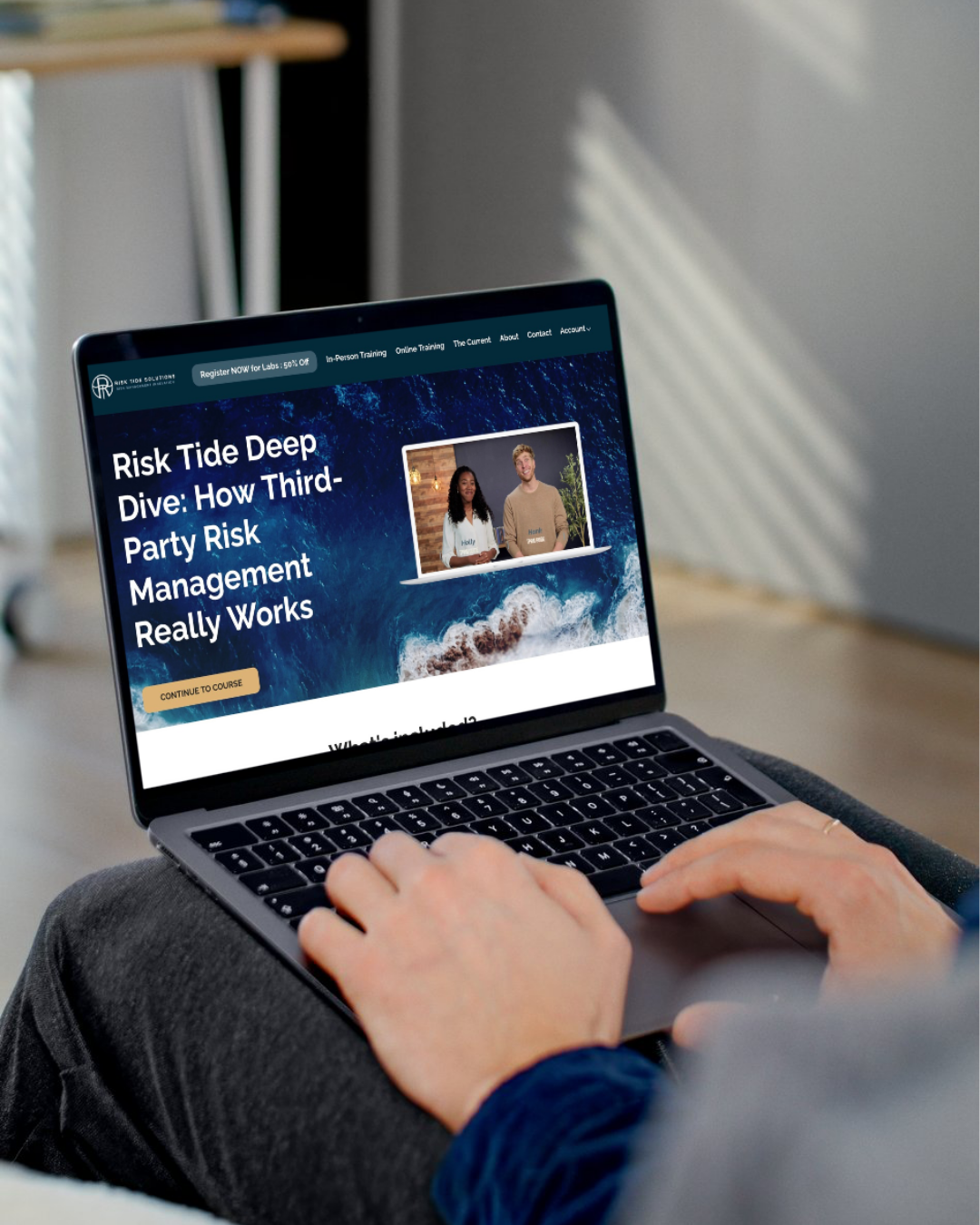
That’s why Risk Tide launched two self-paced online courses designed to move with you. Start immediately, learn on your own time, earn CPE credits, and advance your professional development without hitting pause on your day.
Where in the world is Garit? 

Risk Tide co-founder (and frequent flyer) Garit Gemeinhardt is always on the move, so we’ve decided to keep track of his travels.

This week’s destination: Ponte Vedra, Florida🌴 (home sweet home)